Home Harvest - The Most Common Pests and Diseases Affecting Uganda’s Vegetables & Cereals — And How Hybrid Seeds Offer Better Protection
Vegetables and cereals are the backbone of Uganda’s food system. At Home Harvest, we supply high-quality hybrid seeds for cabbage, tomatoes, onions, peppers, maize, and beans because these crops feed
The Most Common Pests and Diseases Affecting Uganda’s Vegetables & Cereals — And How Hybrid Seeds Offer Better Protection
By Home Harvest Uganda | 2025 Farming Guide
Vegetables and cereals are the backbone of Uganda’s food system. At Home Harvest, we supply high-quality hybrid seeds for cabbage, tomatoes, onions, peppers, maize, and beans because these crops feed families, support markets, and guarantee steady income for farmers.
However, they are also the most attacked by pests and diseases.
This blog highlights the common threats, how to identify them early, and how using hybrid seeds can help farmers reduce losses and increase yields.
🥬 1. Cabbage Pests & Diseases
1.1 Diamondback Moth (DBM)
One of the most destructive pests for cabbage growers in Uganda.
Symptoms:
- Small holes on leaves
- Caterpillars visible under leaves
- Skeletonized leaves
Management:
✔ Use hybrid cabbage seeds (stronger tolerance)
✔ Spray with Bt-based products or recommended pesticides
✔ Practice crop rotation
1.2 Black Rot
A bacterial disease common in warm, wet seasons.
Symptoms:
- V-shaped yellow patches on leaf edges
- Black veins
- Rotting heads
Management:
✔ Plant disease-tolerant hybrid varieties
✔ Use clean nursery beds
✔ Improve spacing for good airflow
🍅 2. Tomato Pests & Diseases
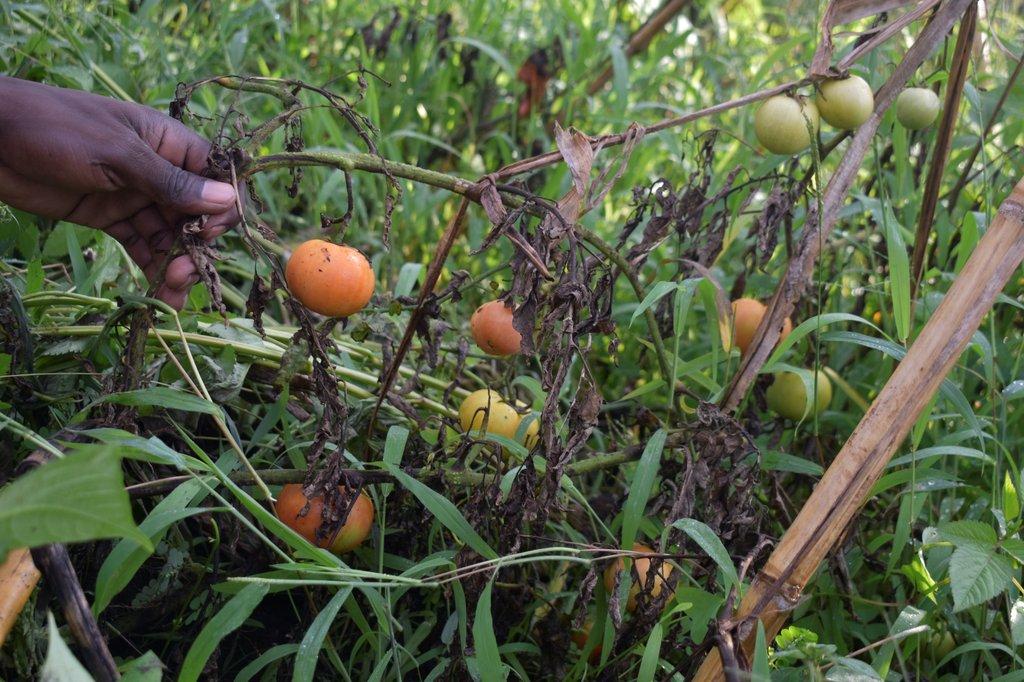
2.1 Early & Late Blight
Uganda’s biggest tomato problem.
Symptoms:
- Black or brown spots on leaves
- Fruits rotting on the plant
- Leaves drying prematurely
Management:
✔ Blight-resistant hybrids
✔ Mancozeb or Ridomil sprays
✔ Avoid overhead irrigation
2.2 Tuta Absoluta (Tomato Leafminer)
Symptoms:
- White tunnels in leaves
- Holes in fruits
- Leaf drop
Management:
✔ Hybrid seeds with tolerance
✔ Pheromone traps
✔ Neem oil or selective pesticides
🧅 3. Onions
3.1 Purple Blotch
Very common in Eastern and Northern Uganda.
Symptoms:
- Purple oval lesions on leaves
- Yellowing
- Leaf collapse
Management:
✔ Use hybrid onion seeds (better disease resistance)
✔ Proper field drainage
✔ Spray fungicides like Mancozeb
3.2 Onion Thrips
Symptoms:
- Silvery patches on leaves
- Stunted bulbs
- Plant stress
Management:
✔ Regular scouting
✔ Neem solution
✔ Recommended systemic insecticides
🌶️ 4. Peppers (Green, Red, Hot)
4.1 Anthracnose
Symptoms:
- Sunken black spots on fruits
- Fruit rot
- Premature fruit drop
Management:
✔ Hybrids with strong disease tolerance
✔ Avoid harvesting when fruits are wet
✔ Fungicide sprays when needed
4.2 Aphids
Symptoms:
- Sticky “honeydew”
- Curled leaves
- Reduced flowering and fruiting
Management:
✔ Natural predators like ladybirds
✔ Neem oil sprays
✔ Hybrid varieties show stronger resilience
🌽 5. Maize (Hybrid Cereals)
5.1 Fall Armyworm
Still the number one maize pest in Uganda.
Symptoms:
- Holes in leaves
- Green frass inside the funnel
- Damaged tassels and cobs
Management:
✔ Hybrid maize varieties (earlier maturity helps escape peak infestation)
✔ Timely pesticide application
✔ Ash in funnels for low-budget farmers
5.2 Maize Lethal Necrosis Disease (MLN)
Symptoms:
- Yellowing
- Dwarf plants
- Empty cobs
Management:
✔ Plant ONLY certified hybrid seed
✔ Rogue infected plants
✔ Control insect vectors (thrips, aphids)
🫘 6. Beans (Hybrid or Improved Varieties)
6.1 Bean Rust
Symptoms:
- Orange powdery spots
- Drying leaves
- Low pod formation
Management:
✔ Resistant bean hybrids (NABE types)
✔ Fungicides
✔ Good spacing
6.2 Aphids
Symptoms:
- Curled leaves
- Sticky surfaces
- Viral disease transmission
Management:
✔ Neem products
✔ Hybrid lines tolerate stress better
✔ Early planting
🌱 Why Hybrid Seeds Are the Best Defence
Farmers often ask: “Why should I buy hybrid seeds?”
Here’s why:
🔹 Stronger disease resistance
🔹 Higher yields even in bad seasons
🔹 Uniform fruits and vegetables for market
🔹 Faster maturity
🔹 Better tolerance to pests, drought, and heat
This is why Home Harvest focuses on supplying hybrid cabbage, tomato, onion, pepper, maize, and bean seeds.
💡 General Prevention Tips for All Farmers
✔ Plant early at the start of rains
✔ Use certified hybrid seeds only
✔ Keep fields weed-free
✔ Rotate crops
✔ Remove infected plants immediately
✔ Avoid overcrowding
✔ Use organic solutions before chemicals
✔ Follow pesticide labels strictly
Final Word
The fight against pests and diseases starts with knowledge and quality seeds.
Ugandan farmers lose billions every year due to preventable crop damage. At Home Harvest, our mission is to ensure every farmer plants strong, reliable hybrid seeds that give better yields and better profits.
For farm visits, hybrid seeds, agrochemicals, and training, we are here to serve you.
No comments yet. Login to start a new discussion Start a new discussion